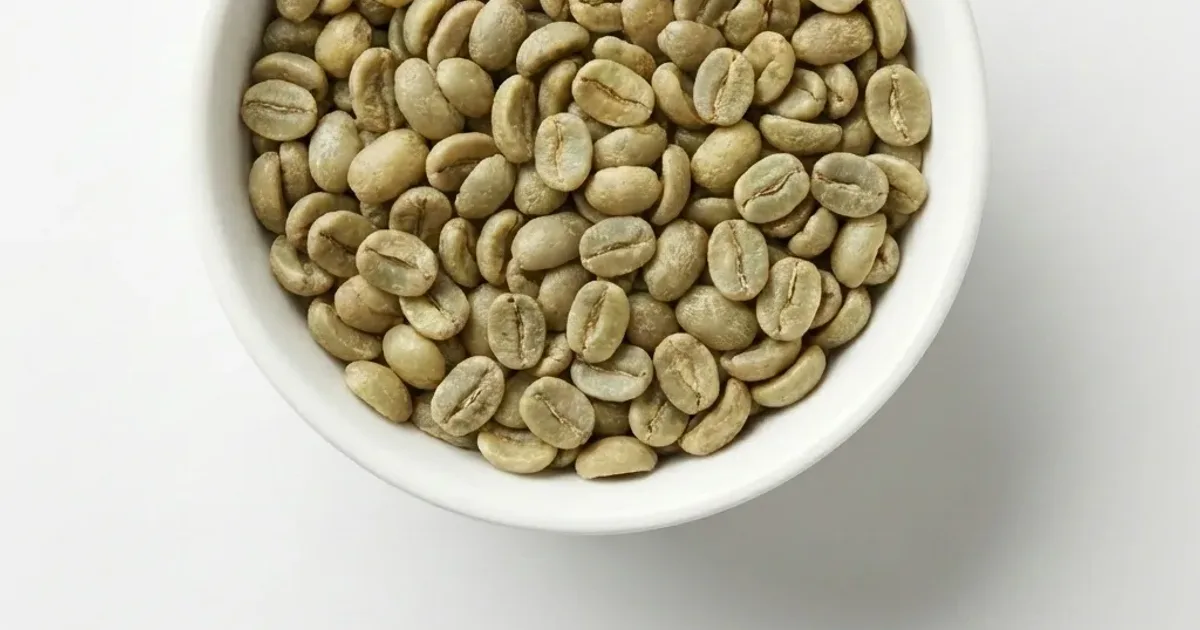
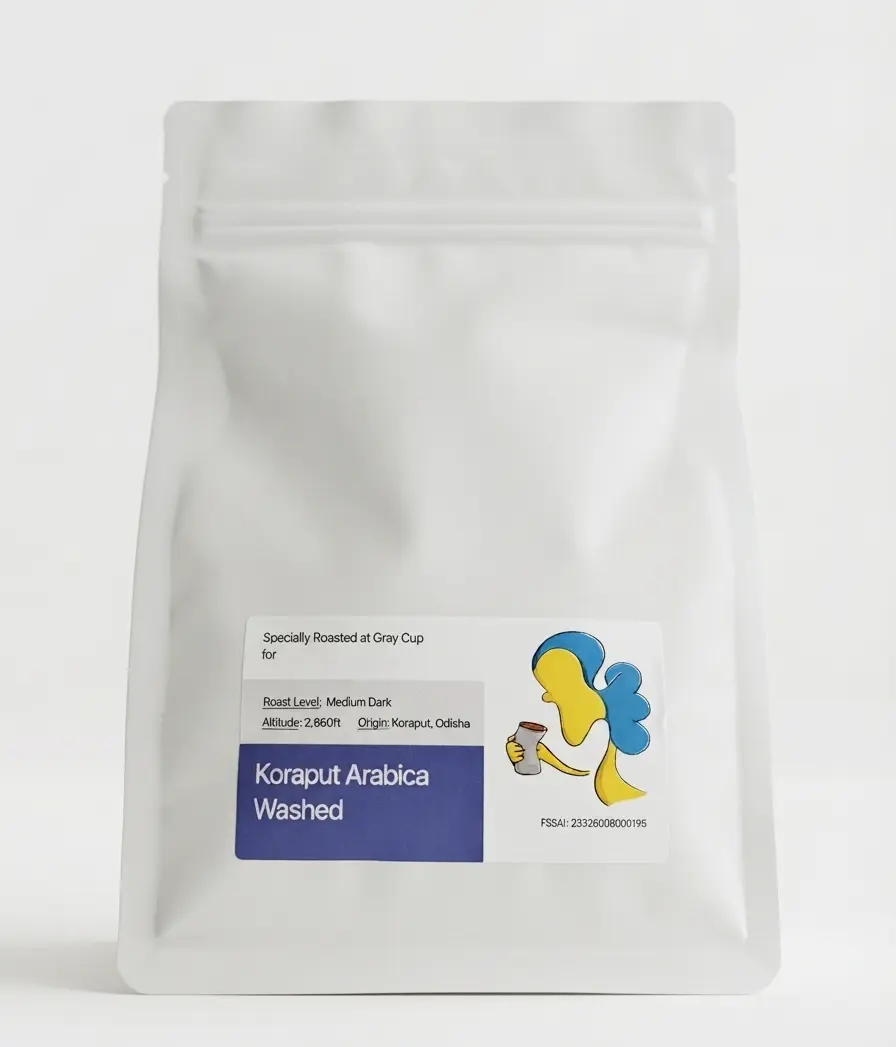
Gray Cup roasts Koraput green lots to your profile, ships across India.
The checklist
1. Purpose: What product is this for? Single-origin filter → washed, high-grown, clean. Espresso blend base → body and sweetness, natural or honey. House blend / volume → consistent commercial grade.
2. Processing: Sets flavour more than grade does. Match it to the product above.
3. Moisture: 10–12%. Drier lots roast faster and flatter; wetter lots risk mould and baking.
4. Density / altitude: Denser beans need more energy and a steeper curve. Affects your charge temperature and batch size.
5. Screen size & uniformity: Tight range = even development. Wide range = scorched and underdeveloped beans in the same batch.
6. Defect count: Higher grades cap primary/secondary defects. Hand-sort a sample and count.
7. Crop year: Current crop roasts predictably; past-crop goes papery and flat.
8. Cup it: Sample-roast 250 g, rest 24–48 h, cup against your standards. Nothing on the spec sheet replaces this.
9. Consistency: Can the supplier hold this lot's profile across repeat orders this season? Ask directly.
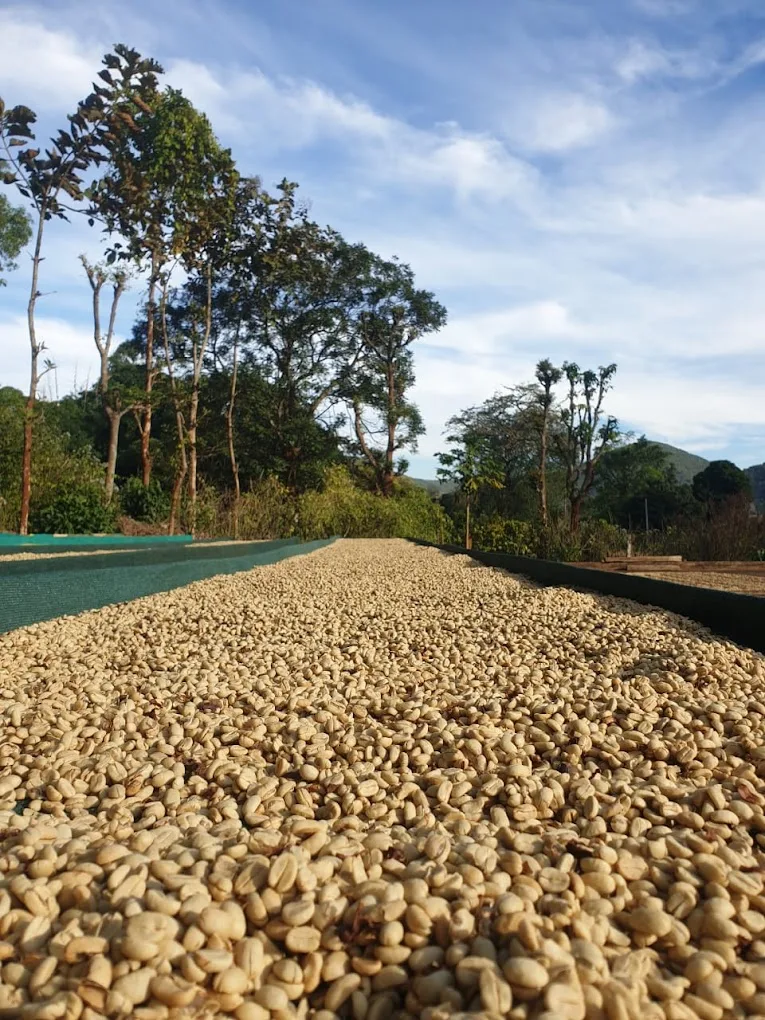
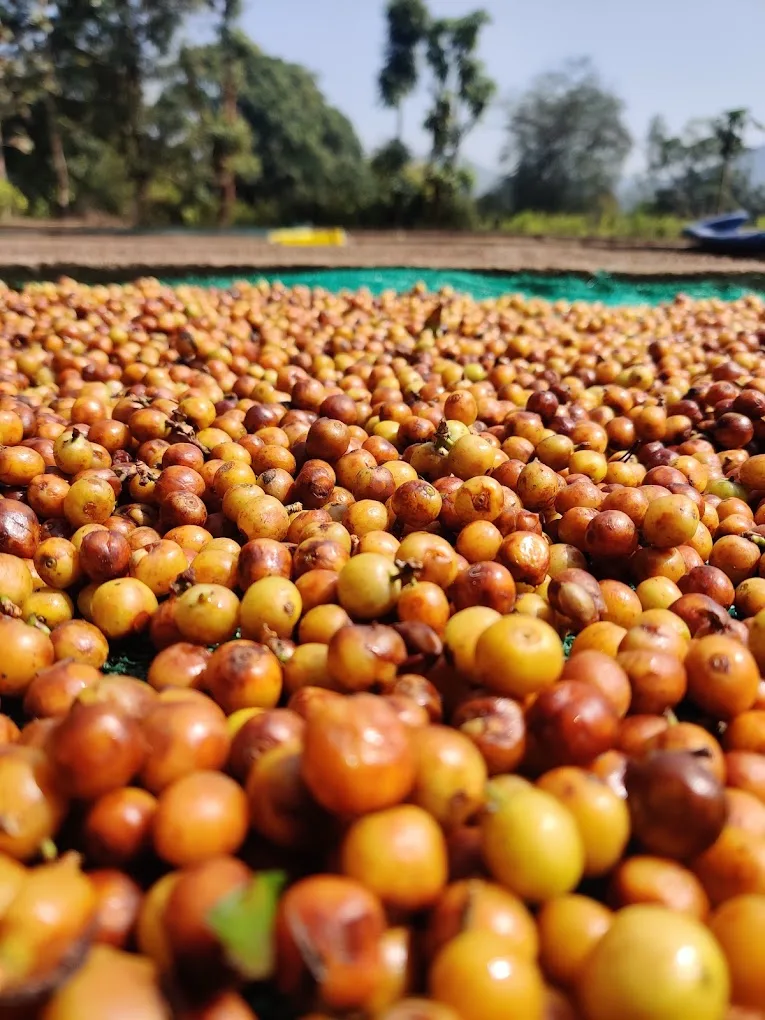
Koraput lots to sample
Then scale
Approve the sample roast, confirm moisture and crop year in writing, agree price tiers and MOQ, and order what you'll use within ~6 months.