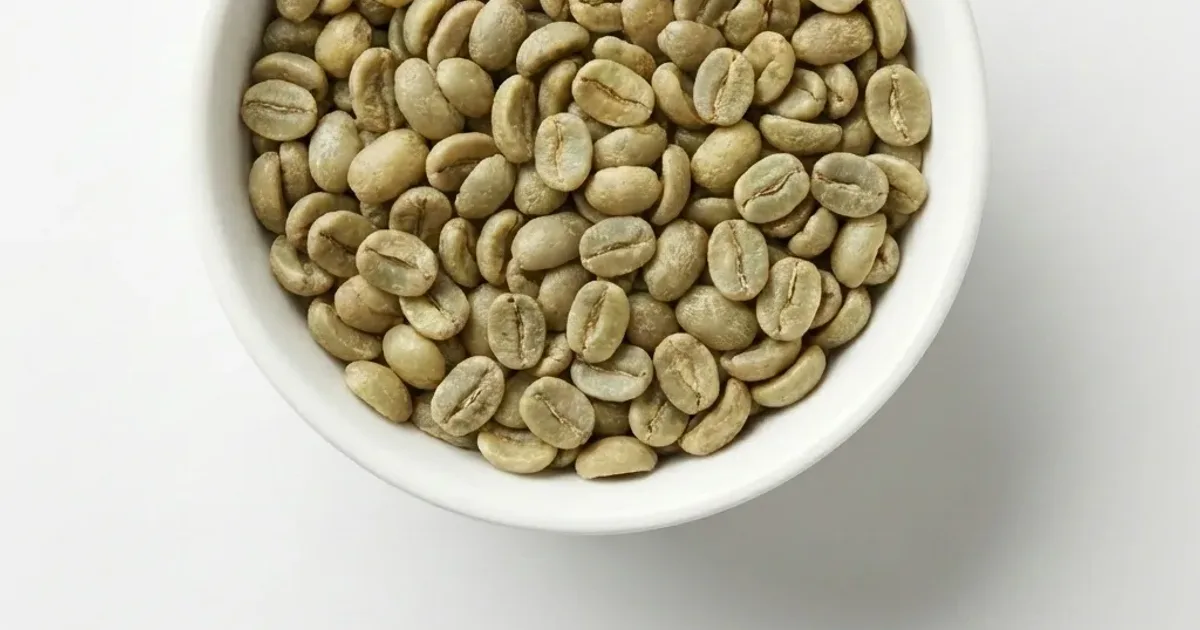
Anaerobic processing means fermenting coffee cherries (or de-pulped beans) in a sealed, oxygen-free container (usually a steel or plastic tank with an airlock) before drying.
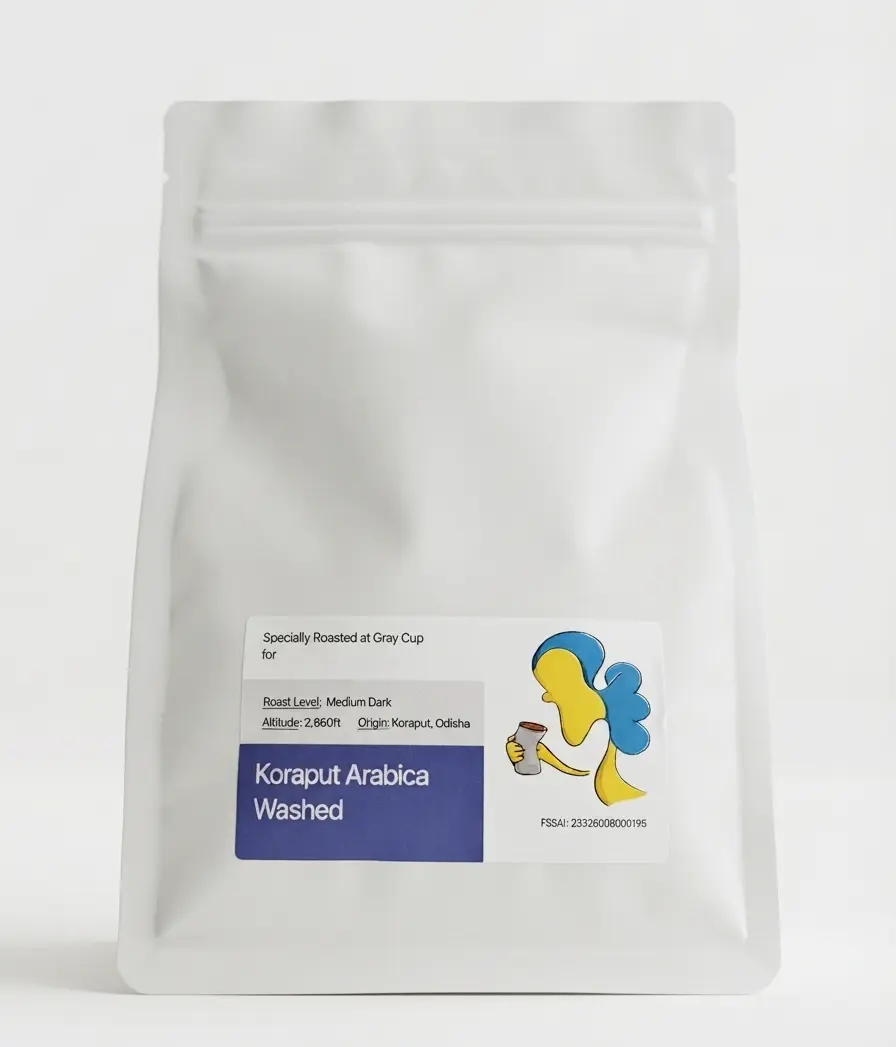
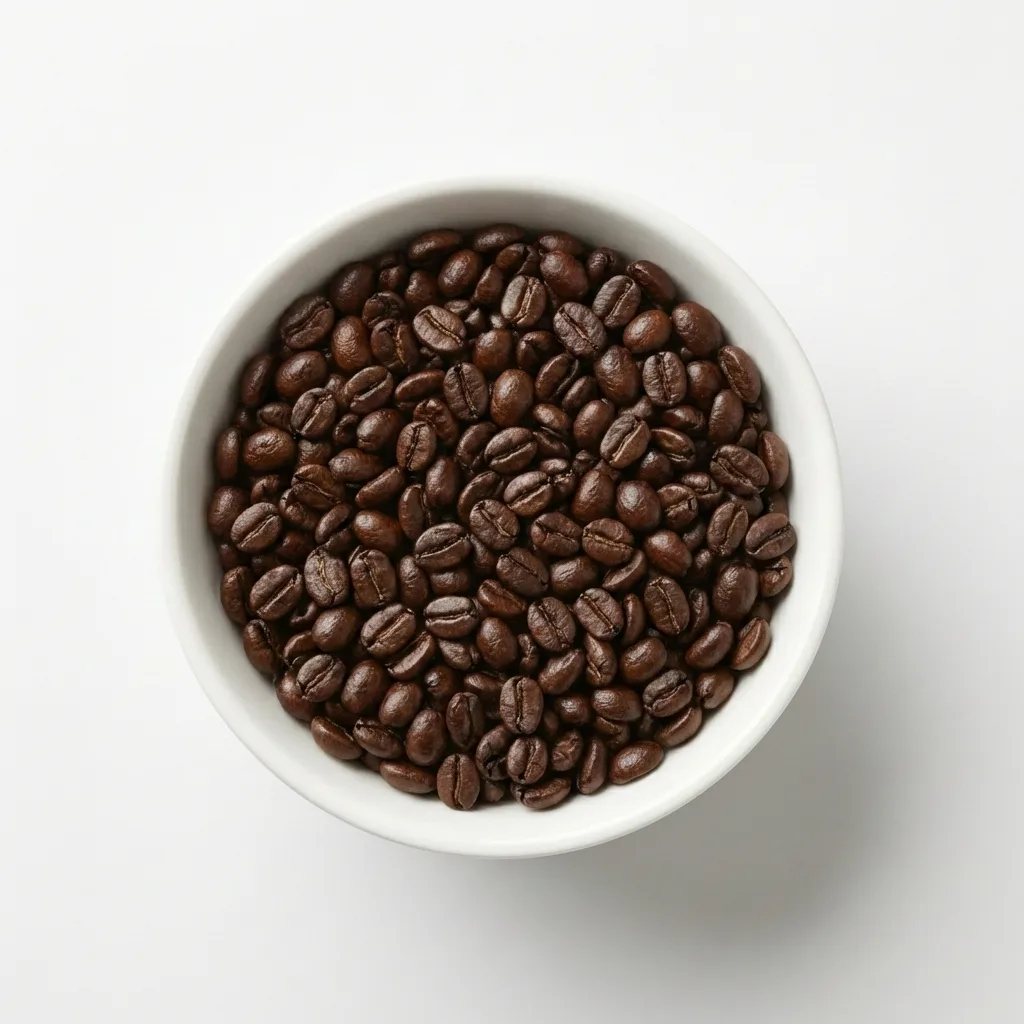
Freshly roasted by Gray Cup, our roasting partner, ships across India.
How it differs from normal natural processing
In a standard natural, cherries dry on raised beds in open air and ferment slowly with oxygen present. In an anaerobic natural, the cherries first sit sealed without oxygen for 24–120 hours. Different microbes dominate that environment, producing different acids and aromatic compounds. Temperature, time and pH are tracked closely, it is a controlled process, not just "sealed fruit".
What it tastes like
At its best: intense, distinctive fruit, think tropical fruit, fermented berry, cinnamon, sometimes a boozy or savoury edge. Bigger body, syrupy sweetness, lower acidity. At its worst: over-fermented, vinegary, boozy in a bad way. The margin for error is small, which is why good anaerobic lots are limited and priced higher.
Roasting notes
Treat it like a delicate natural: gentle heat application, watch first crack closely, keep development moderate. Too much heat buries the fermented aromatics under roast; too little leaves it grassy and sharp.
Koraput anaerobic lots
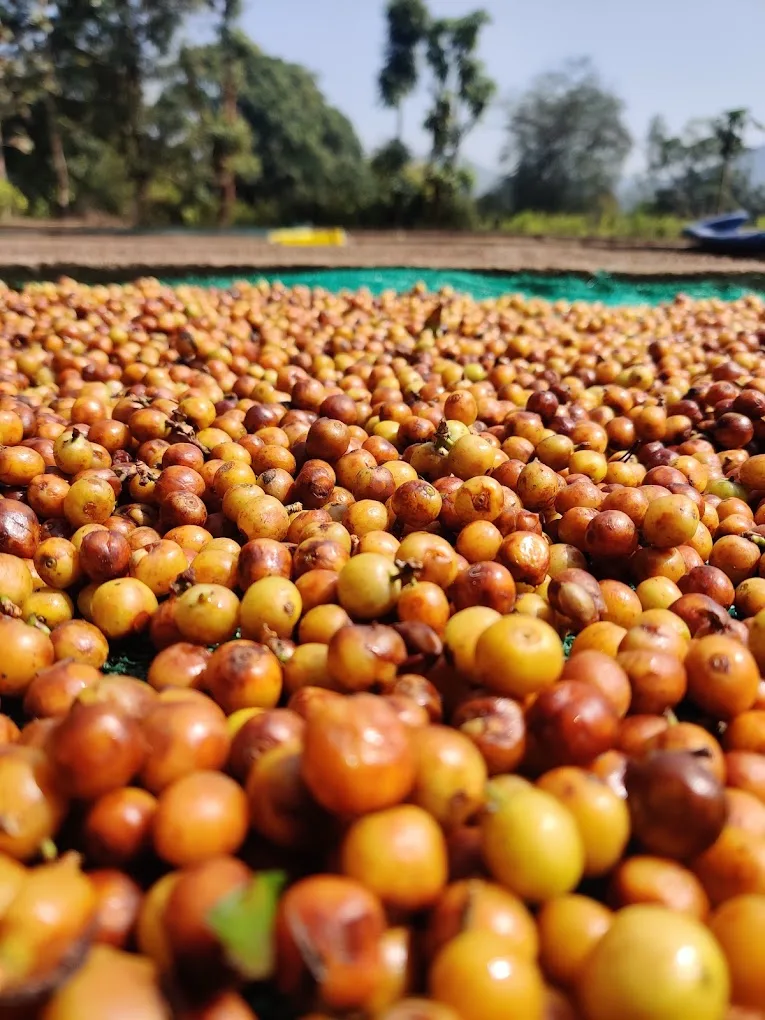
These are small, seasonal lots, quantities and availability vary by harvest.
Want it roasted?
If you'd rather drink a Koraput anaerobic than roast one, Gray Cup roasts limited anaerobic micro-lots from these farms, and Odisha Coffee's roasted range carries seasonal experimental lots.