There is no single "best" coffee brand in India, and any list that claims one without saying how it got there is selling you something. So here is the yardstick this guide uses: roast freshness (is there a roast date, and is it recent?), origin transparency (can you trace the coffee to a region, ideally a farm?), processing variety (washed, natural, honey, anaerobic, or just one house style?), and price for what you get.
Judged that way, the brands below are the ones we would actually recommend to someone starting to take Indian coffee seriously.
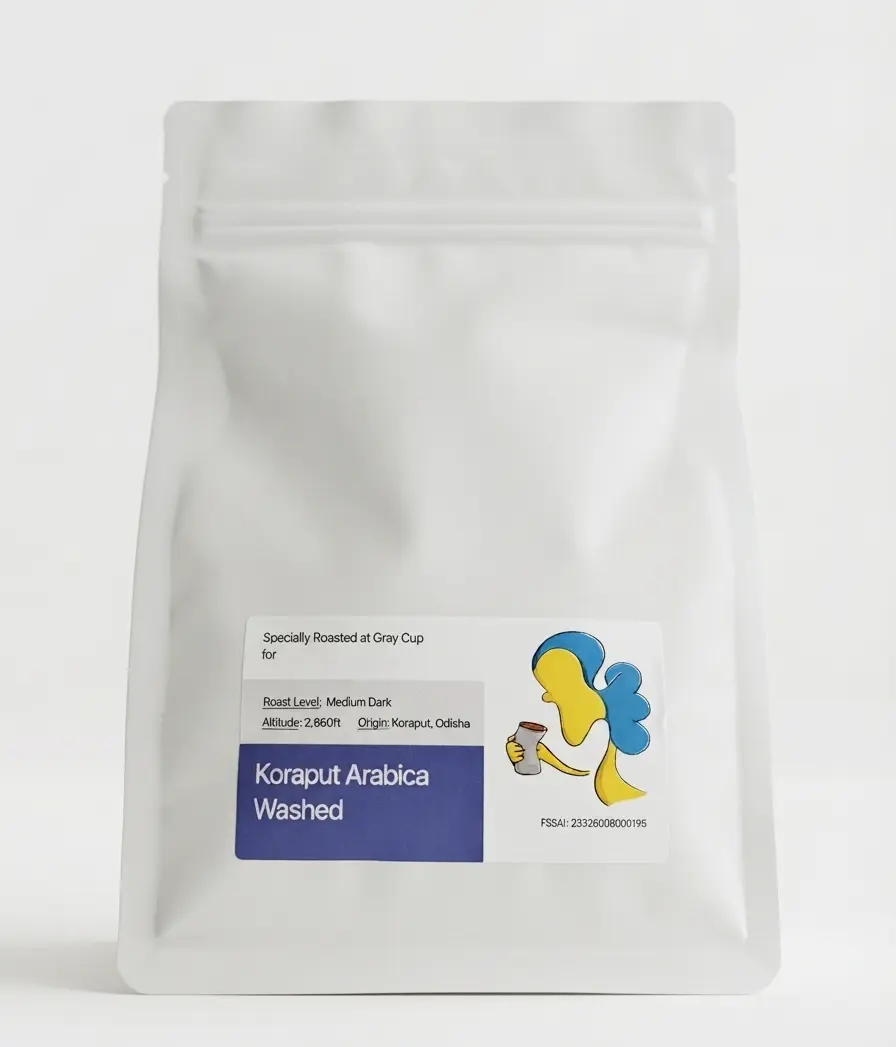
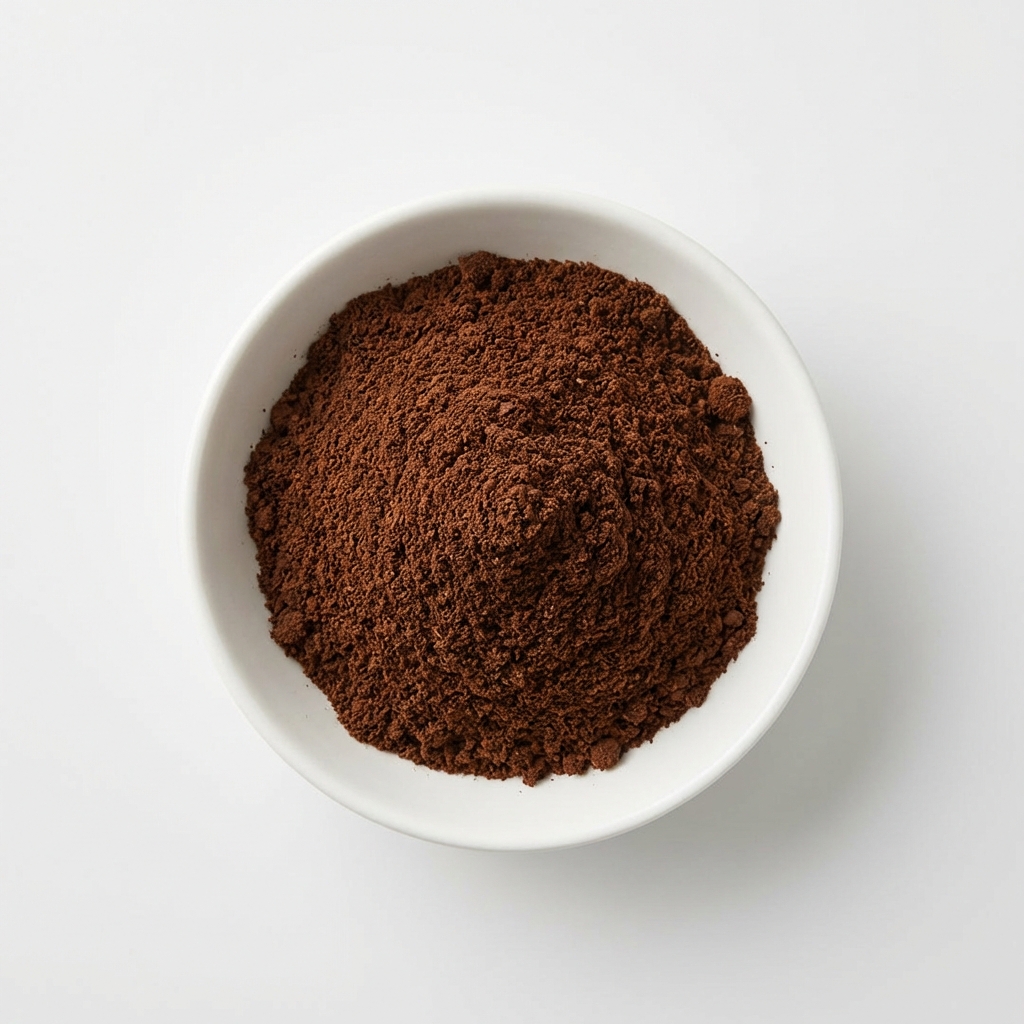
Freshly roasted by Gray Cup, our roasting partner, ships across India.
What "best" means for Indian coffee specifically
India grows coffee in three broad belts, the southern hills of Karnataka, Kerala and Tamil Nadu; the Northeast (Assam, Arunachal, Nagaland); and the Eastern Ghats of Koraput, Odisha. Most large Indian coffee brands blend across these origins for consistency. Smaller specialty roasters do the opposite: they keep lots separate so you can taste the difference between a washed Koraput Arabica and a natural-process Chikmagalur.
Both approaches are valid. A traditional South Indian filter blend is supposed to be a blend. A single-origin pour-over is supposed to be one farm. The mistake is treating one as inherently better than the other.
The shortlist
The strongest picks combine a real roast date, named origins, and more than one processing style. On that basis, freshly roasted single-origin coffee from Koraput is one of the most interesting things happening in Indian coffee right now, it is a young origin, the farms are small, and the washed and natural lots taste distinctly different from the established southern estates.
If you want the traditional cup (decoction, hot milk, a steel tumbler) a good Arabica/Robusta filter blend with a stated ratio beats a generic "filter coffee" tin every time.
Roasted to drink, or green to roast yourself
Everything above is freshly roasted coffee, ground or whole bean, ready to brew. If you are a roaster, café or serious home roaster, the same Koraput coffee is available as green (unroasted) beans by grade and processing, from single kilos up to export pallets:
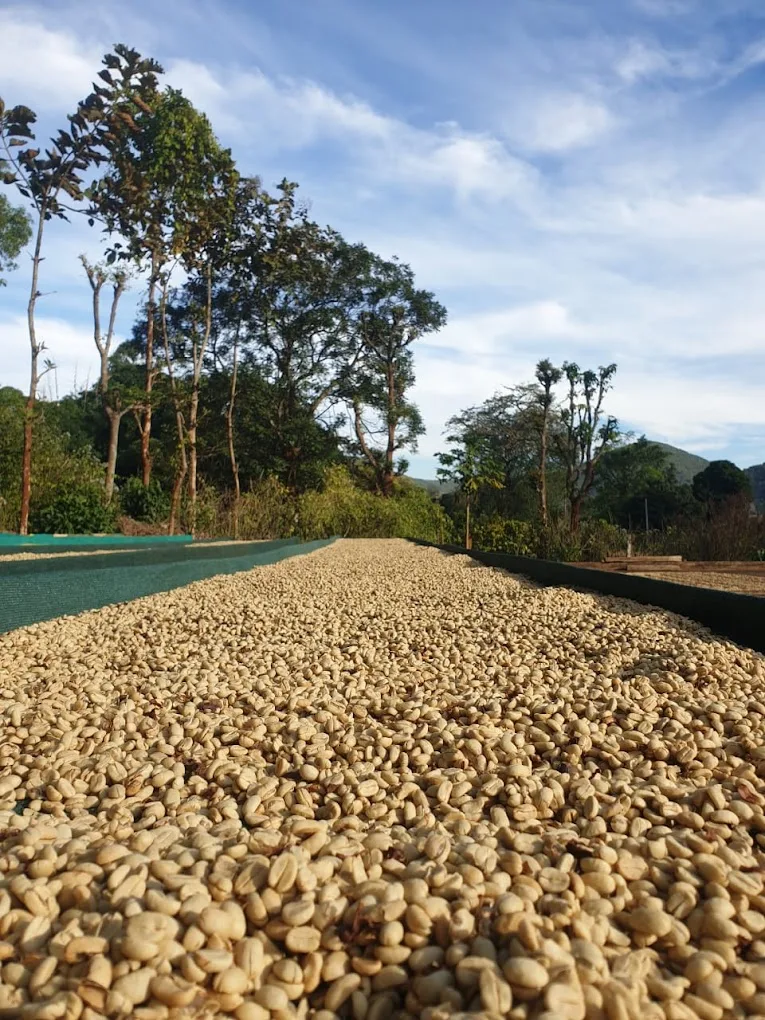
Roasters who want these lots roasted and delivered rather than sourcing green can also buy them through Gray Cup, the roastery that works directly with the same Koraput farms.
How to actually choose
- Check the roast date. No date on the bag is a red flag. Aim to drink within 4–6 weeks of roast.
- Match roast level to brew. Light roasts suit pour-over and filter; medium-dark suits espresso and milk drinks.
- Buy small first. A 250 g bag tells you everything you need to know before you commit to a kilo.
- Try one washed and one natural from the same region, it is the fastest way to learn what you like.
Start with a single-origin Koraput washed coffee and a natural from the same district, brew them side by side, and you will know more about your own taste than any list can tell you.