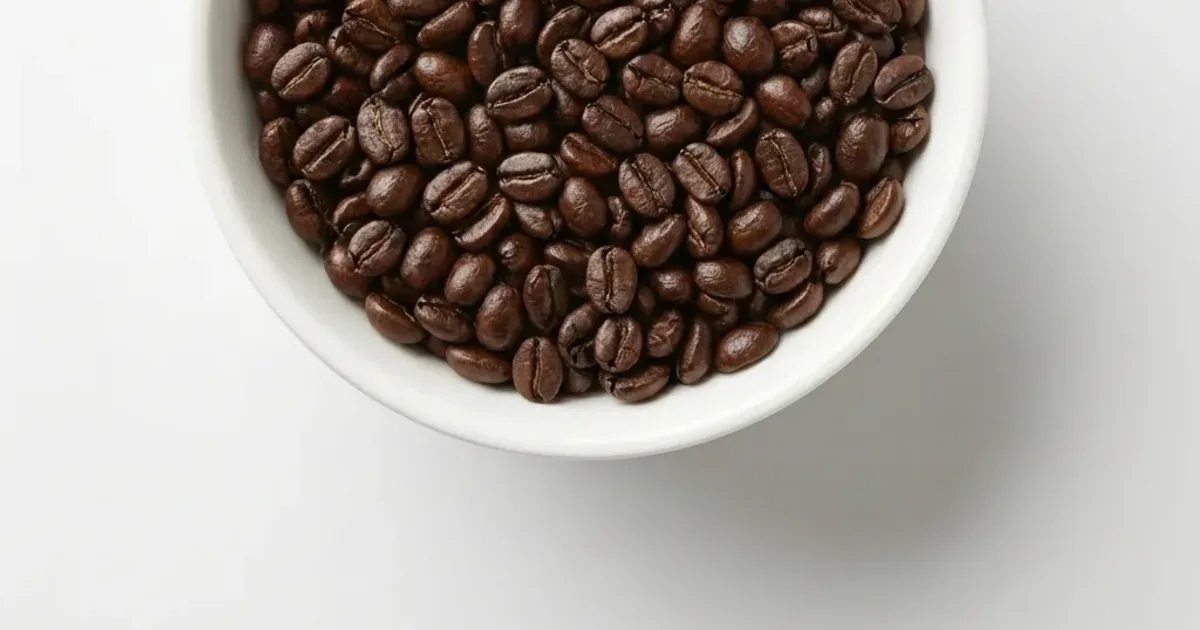
"Best coffee beans" depends entirely on how you brew and what you like. This guide is built around the decisions that actually change the cup: Arabica or Robusta, single-estate or blend, washed or natural processing, and how fresh the roast is.
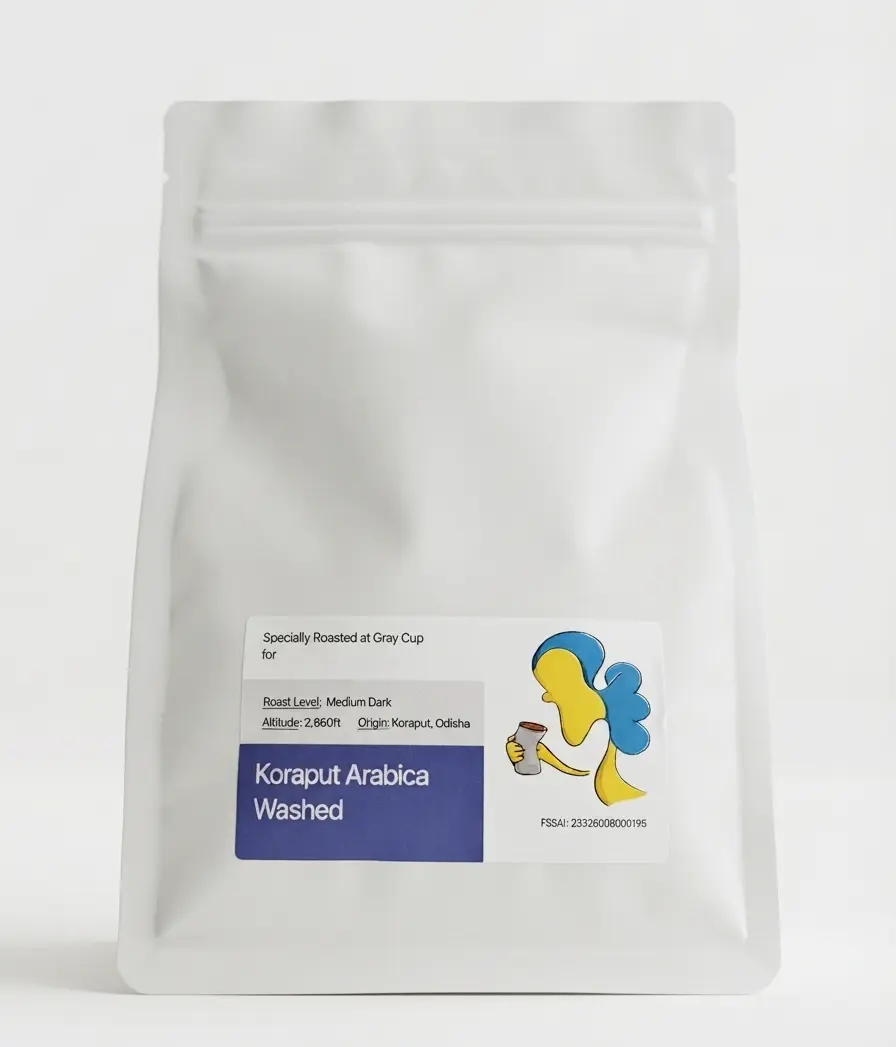
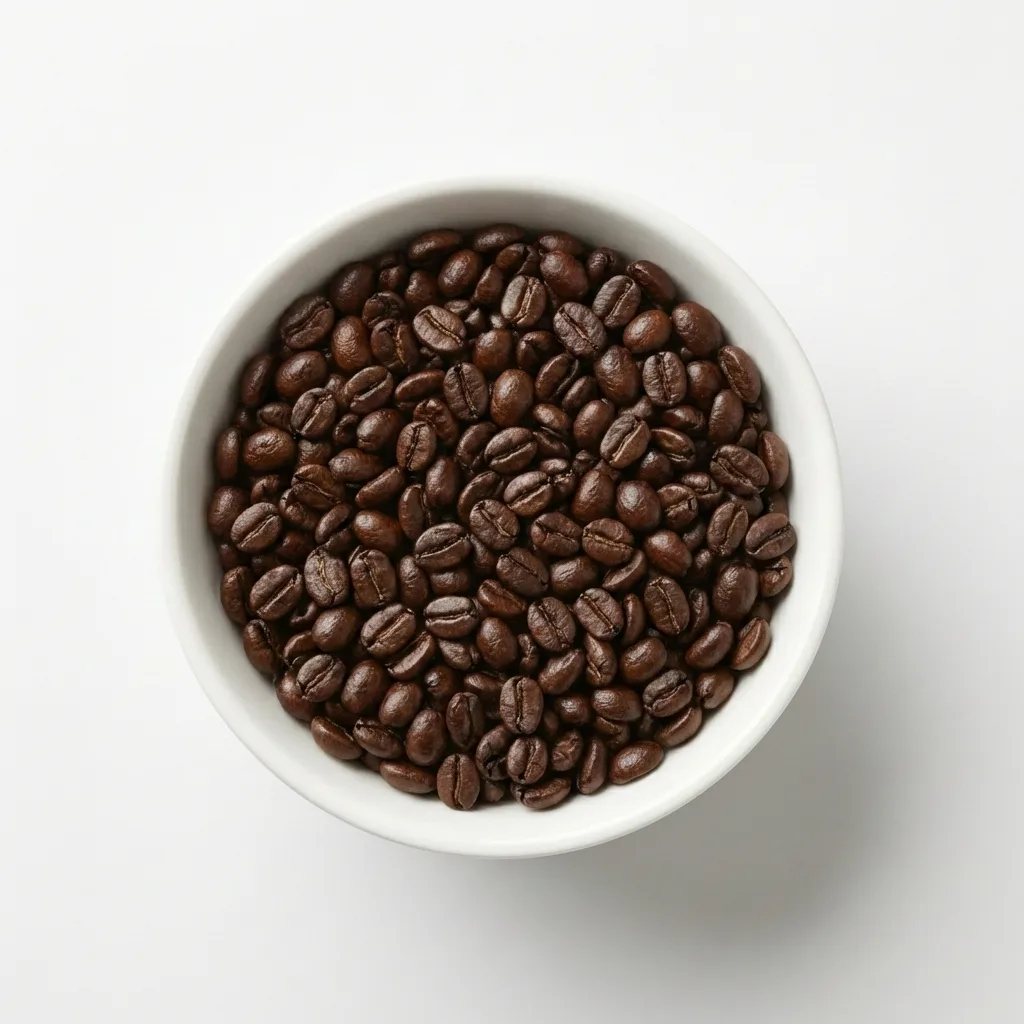
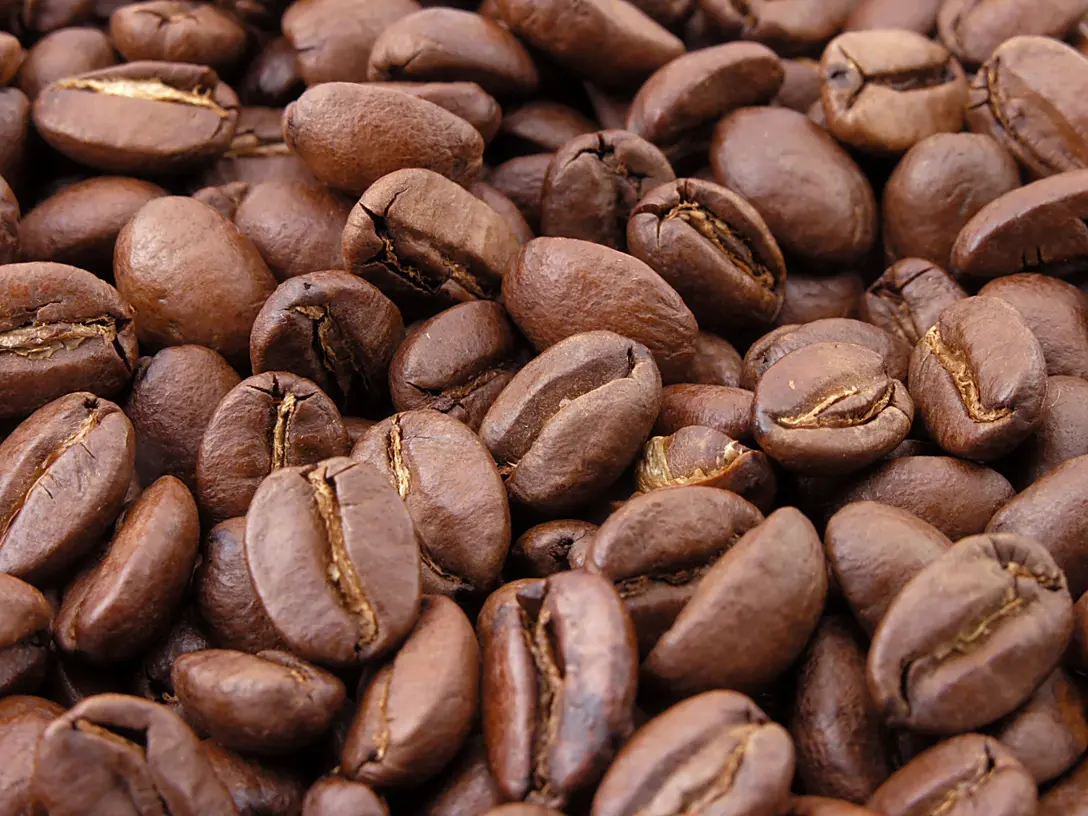
Freshly roasted by Gray Cup, our roasting partner, ships across India.
Arabica vs Robusta
Arabica grows at higher altitude, has more acidity and aromatic complexity, and about half the caffeine of Robusta. Robusta is heavier, more bitter, higher in caffeine, and produces a thick crema, which is why traditional South Indian filter coffee blends a bit of Robusta into an Arabica base.
Most of Koraput, Odisha is planted with Arabica (S795, Chandragiri, and HSD/Hibrido de Timor), grown between roughly 900 and 1,200 m in the Eastern Ghats.
Single-estate vs blend
A single-estate bean tells you exactly where the coffee came from and tastes of that place. A blend is engineered for a consistent, repeatable cup and often for a specific brew method (espresso, filter). Neither is "better", they answer different questions.
Washed vs natural
Washed beans are fermented and rinsed to strip all fruit before drying, the result is clean, bright, and origin-transparent. Natural beans dry inside the whole cherry, which pushes fruit-forward, boozy, heavier flavours into the cup. Honey processing sits between the two.
Roasted beans vs green beans
Everything above is sold as freshly roasted coffee in 250 g–1 kg bags. If you roast your own (at home or commercially) the same Koraput Arabica is available as green coffee beans, graded and priced by lot:
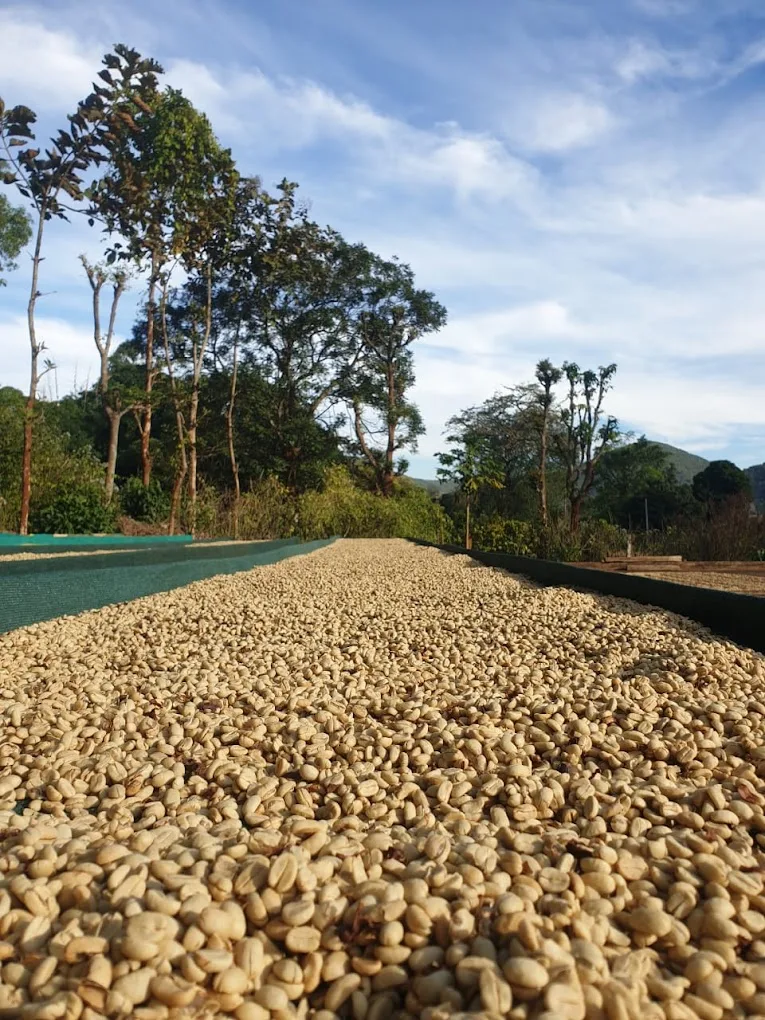
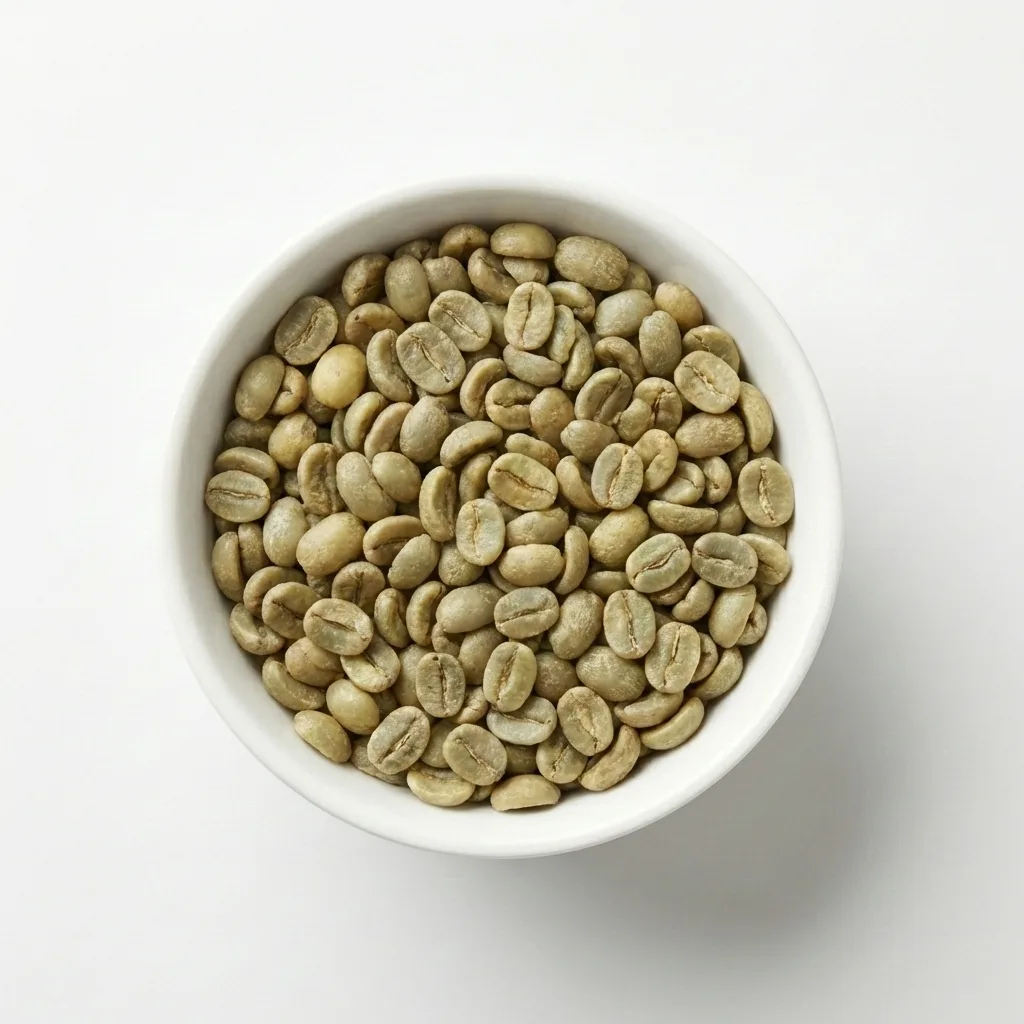
Prefer someone else to roast a specific green lot for you? Gray Cup roasts the same Koraput coffees to order.
Quick buying rules
- Whole bean over pre-ground: grind just before brewing.
- Roast date within 6 weeks for filter and pour-over; espresso can rest a little longer.
- Buy 250 g to trial: then scale up.
- One washed + one natural from the same region is the best way to calibrate your palate.